How Tutoring Organizations Can Monitor Curriculum Pacing Across Instructors
Academic directors need to know every tutor is teaching to the same plan. Here is the path from spreadsheet audits to automated pacing visibility.
GrowWise · Team · Last updated
The curriculum lives in one folder. The reality lives in twelve different tutors' heads.
If you are an academic director at a tutoring organization, pacing is the quiet metric that decides whether your brand feels consistent. Parents assume the program they bought is the program being delivered. Tutors assume they are doing fine if students seem engaged. Only the calendar knows the truth, and too often nobody is watching it.
Why pacing drift is hard to see
Pacing problems rarely arrive as a single bad week. They accumulate:
- A tutor spends two sessions on review because a student struggled.
- A substitute covers a different slice of the unit.
- A new hire "catches up" by skipping application problems.
- One location finishes the mock test prep block early and starts marketing outcomes the other site has not reached yet.
Session notes capture what happened in one hour. They do not automatically tell you whether the organization is still aligned to the plan.
Stage 1: The shared spreadsheet (works until it does not)
Most growing centers start here. Each tutor logs the lesson topic or unit number. Directors color-code cells. It is better than nothing.
Limits show up quickly:
- Tutors forget to update after late sessions.
- Substitutes use inconsistent labels.
- Version control breaks when you revise the curriculum mid-season.
- Multi-location rollups take hours nobody has on Sunday night.
Spreadsheets are a bridge, not a system.
Stage 2: Standardized session templates
The next step is tighter note templates: unit, topic, skills covered, homework assigned, next session plan. Templates improve comparability but still rely on manual entry and trust.
Directors can spot obvious gaps if they read every note. They cannot easily ask "show me all cohorts two weeks behind on Unit 4" without exporting and pivoting.
Stage 3: Pacing tied to curriculum structure
The shift that actually scales is connecting what should be taught to what was taught in the same object.
That means:
- A pacing calendar generated from your curriculum map, not recreated tutor by tutor.
- Progress marked against planned topics or standards, not free-text summaries.
- A director view that rolls up by tutor, program, and location without a manual audit.
This is the layer instructional intelligence platforms add on top of content storage. Your team stops debating whether notes were filed and starts debating what to do about visible drift.
What to review in a weekly pacing meeting
Keep the meeting short and repeatable. Four questions are enough:
- Which cohorts are behind plan by more than one week?
- Which cohorts are ahead without assessment evidence to justify skipping ahead?
- Where do two tutors on the same program diverge?
- Which upcoming units need shared resources before Monday?
If you cannot answer those four questions in ten minutes, your tooling is costing you director time.
How pacing connects to parent trust
Parents do not use the word pacing. They say "I thought they were still on fractions" or "the other center said they already finished this block."
When directors catch drift early, coaches can align tutors before that conversation happens. When they catch it late, the fix looks like blame instead of quality control.
For the organizational story behind drift, read why teaching quality becomes inconsistent as tutoring organizations grow.
Multi-location operators
Franchise and multi-site owners need the same weekly view across sites, not a email chain from each center manager. How to track curriculum pacing across tutors and locations goes deeper on rollups and accountability.
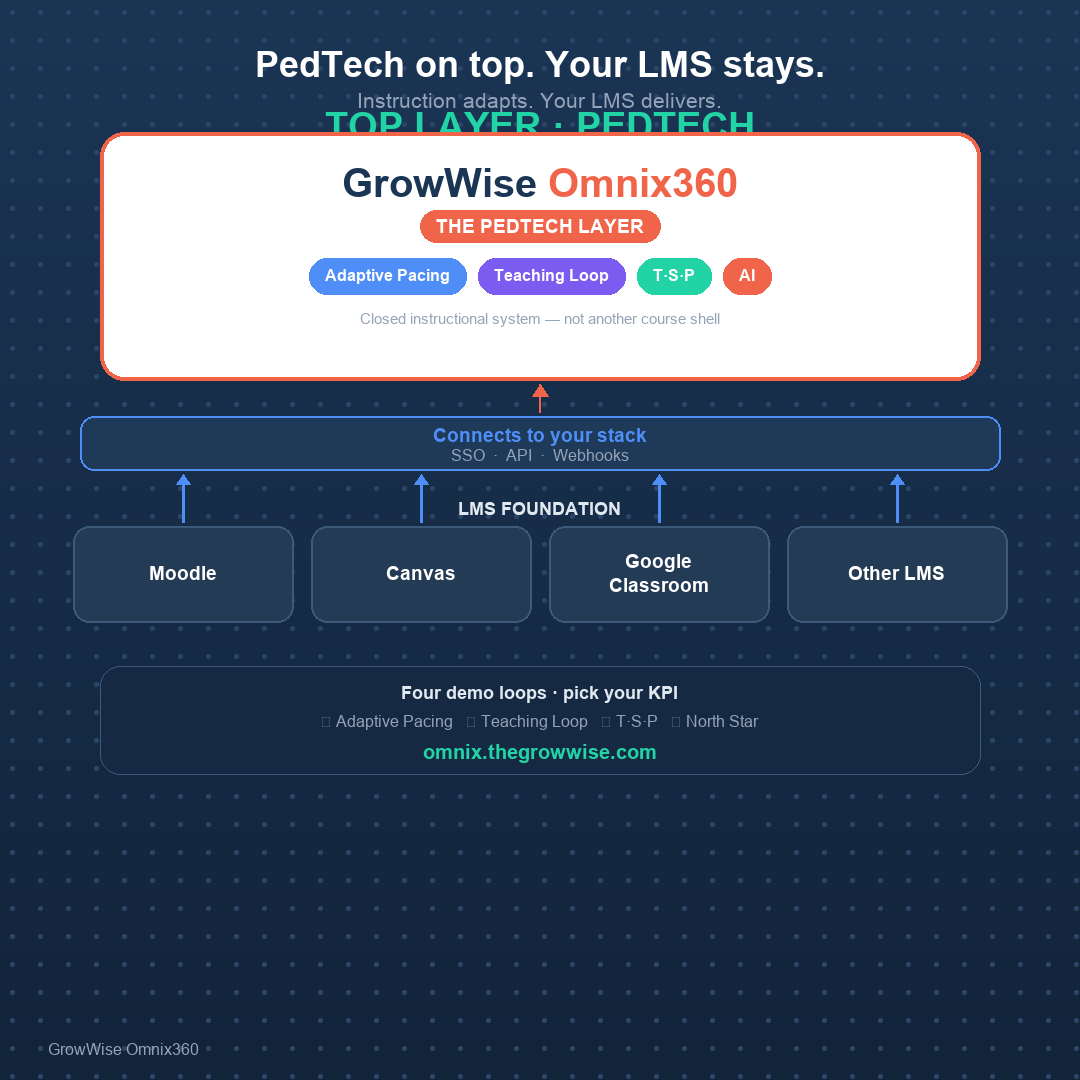
Illustrative only. Your workspace reflects your curriculum and roster.
Related reading
- How to track curriculum pacing across tutors and locations
- Closed-loop pacing from a curriculum PDF
- Case study: pilot pacing signals
- How to maintain consistent teaching quality across multiple tutors
Book a live demo to walk through pacing visibility with your actual program structure.
Frequently asked questions
- How do tutoring centers track curriculum pacing across tutors?
- Mature centers move from shared spreadsheets and session notes to a single pacing calendar tied to curriculum, with weekly director reviews of who is ahead, on track, or behind.
- How often should an academic director review pacing?
- Weekly is the minimum for active programs. Monthly reviews are usually too late to fix drift before parents notice or assessments surprise you.
- What metrics show pacing problems early?
- Units completed vs planned, topics skipped without evidence, and cohorts at the same program week showing different content coverage across tutors.
- Can Google Sheets work for pacing tracking?
- Sheets can work for a handful of tutors. They break down with multiple locations, substitute coverage, and frequent program updates because nothing stays automatically in sync.
Ready to prove pacing alignment in one program?
Start with the pilot playbook, then scope one program with our team, pricing comes after the scorecard.