Why Teaching Quality Becomes Inconsistent as Tutoring Organizations Grow
When tutoring centers add tutors and locations, the same curriculum produces different outcomes. Here is why that happens and what closes the gap.
GrowWise · Team · Last updated
You built the curriculum once. You hired good people. Then you opened a second location and suddenly every parent seems to be getting a slightly different version of your program.
That gap between what you designed and what happens in each room is one of the most common scaling problems in tutoring. It is also one of the least discussed, because enrollment can still look fine while quality quietly diverges.
When growth outruns visibility
At five tutors, you can sit in on sessions, skim notes, and know who needs a coaching conversation. At twenty tutors across two sites, that model breaks. You still have one curriculum document, but you no longer have one shared picture of what was actually taught this week.
The result is familiar:
- Location A moves faster through algebra because the lead tutor prefers finishing units early.
- Location B spends extra time on review because newer tutors are unsure where to cut.
- Parents compare notes at carpool and wonder why the "same program" feels different.
None of this means your tutors are bad. It means your organization grew without a shared instructional operating system.
Why "great hiring" is not enough
Owners often respond to inconsistency by hiring more carefully or adding training days. Both help. Neither solves the structural problem: tutors make hundreds of small decisions every week about what to teach next, how long to stay on a topic, and when to move on.
Without a common pacing calendar and evidence of whether students actually learned the last topic, those decisions will vary by tutor. Your best tutor will still look great. Your average tutor will drift. Your newest hire will guess.
That is not a culture problem. It is a visibility problem.
What academic directors actually need
Directors do not need more PDFs in a shared drive. They need to answer three questions every week without calling twelve tutors:
- Is each instructor on pace with the plan for their cohort?
- Which topics lack assessment evidence before we advance?
- Which students are falling behind on mastery, not just attendance?
Spreadsheets and session notes can hint at answers. They cannot keep up at scale. By the time someone audits a month of notes, parents may already be thinking about not renewing.
The retention connection owners miss
Inconsistent quality shows up in retention before it shows up in online reviews. A parent rarely says "your pacing infrastructure failed." They say "we are not sure it is working anymore" or "the tutor at the other location seems further along."
If you have not read the math on quiet revenue loss, see tutoring business growth and churn. The centers that protect quality early usually protect revenue the same way.
What closes the gap
Closing the gap is not about controlling every minute of teaching. It is about giving tutors clarity and giving leaders evidence.
Shared pacing. Everyone works from the same calendar tied to your curriculum, not a personal interpretation of it.
Topic-level mastery. Progress is tracked by what the student can demonstrate, not just what was covered in session.
Director visibility. One view across tutors and locations so coaching happens on patterns, not anecdotes.
That is the difference between a tutoring business that scales like a franchise of individuals and one that scales like a program parents can trust at every site.
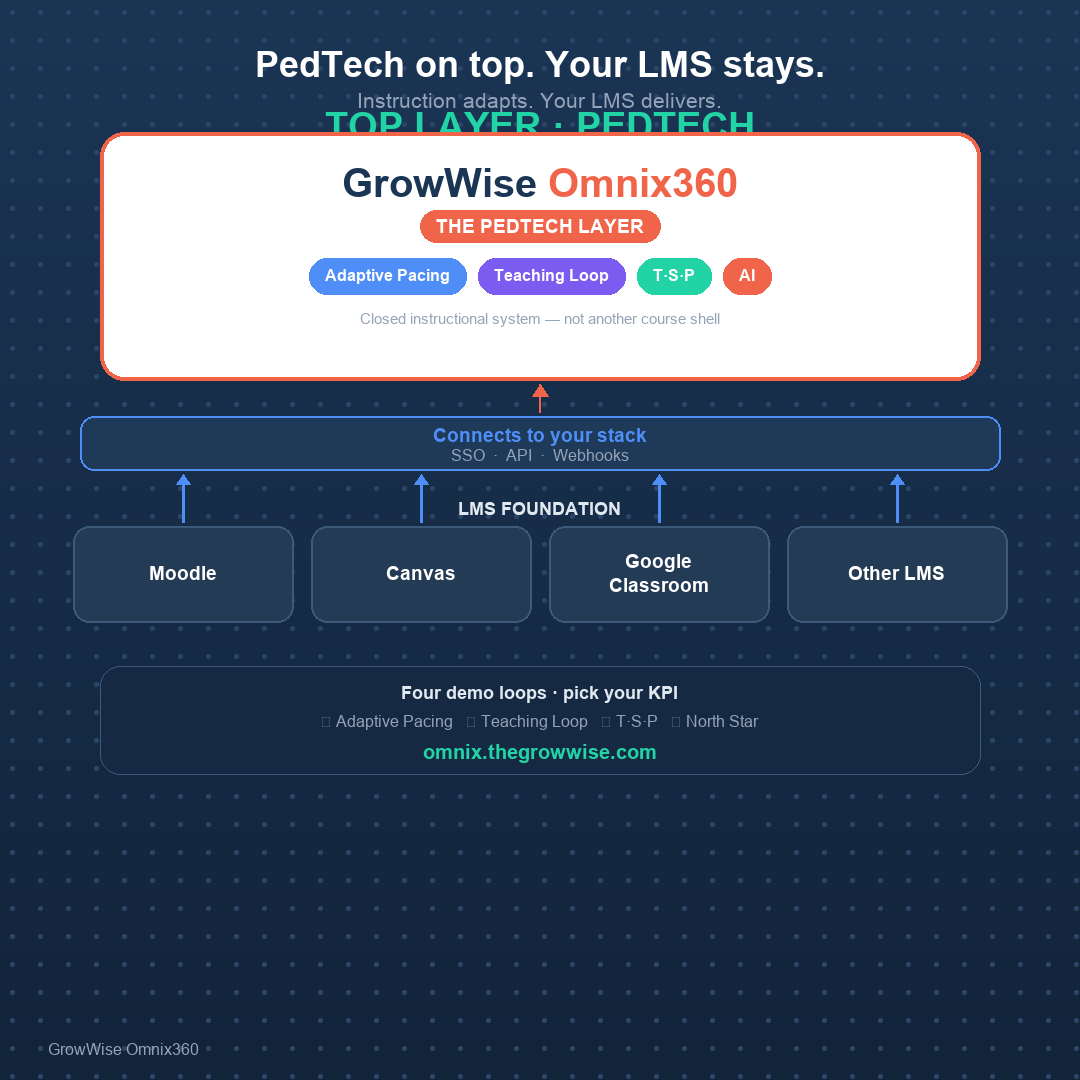
Illustrative only. Your workspace reflects your curriculum and roster.
Related reading
- How to maintain consistent teaching quality across multiple tutors
- How tutoring organizations can monitor curriculum pacing across instructors
- What a tutoring business should track every week
- How to scale a tutoring business without losing instructional quality
If you are feeling this drift as you add locations or tutors, book a live demo or explore instructional features.
Frequently asked questions
- Why does teaching quality drop when a tutoring center grows?
- Growth adds tutors, locations, and schedules faster than leaders can verify that everyone is teaching the same plan. Without shared pacing and mastery evidence, quality becomes personal habit instead of organizational standard.
- How many tutors can one academic director realistically oversee?
- Most directors lose visibility somewhere between eight and fifteen active tutors unless pacing, assessments, and progress live in one system instead of separate notes and spreadsheets.
- What is the first sign of instructional drift in a tutoring business?
- Two tutors on the same program cover different topics in the same week, or parents at different locations describe a different experience even though tuition is the same.
- Can you scale a tutoring center without losing quality?
- Yes, but only if you monitor pacing and mastery across tutors the same way you monitor revenue and enrollment. Quality has to be measured, not assumed.
Ready to prove pacing alignment in one program?
Start with the pilot playbook, then scope one program with our team, pricing comes after the scorecard.