How to Track Curriculum Pacing Across Tutors and Locations
Multi-location tutoring centers need one pacing view across sites, not separate spreadsheets per branch. Here is how to track alignment as you grow.
GrowWise · Team · Last updated
Site A finishes the unit. Site B is still on review. Marketing already posted results for both.
Multi-location tutoring is a pacing problem disguised as an operations success story. Enrollment grew. Rent is covered. Meanwhile parents at different addresses compare experiences and wonder if they are in the same program.
One brand, many calendars (the failure mode)
The usual pattern:
- Corporate publishes a curriculum map once a year
- Each center adapts locally "to meet student needs"
- Center managers report green status because sessions happened
- Corporate discovers misalignment only when benchmark scores or renewals diverge
Local flexibility is good for pedagogy. Uncontrolled local flexibility is bad for brand trust.
Separate spreadsheets do not scale
Each site tracking pacing in its own sheet works until you ask network questions:
- Which programs are behind everywhere (curriculum issue)?
- Which sites drift often (management or staffing issue)?
- Which tutors advance without evidence (training issue)?
Answering those requires the same data model at every site, not a monthly email attachment.
The network pacing model that works
Master programs, not master personalities. Define programs at the network level: SAT math, grade 5 reading, algebra 1 recovery, etc.
One calendar per program version. When you update the map, version it so sites are not on mixed editions silently.
Site rollups, tutor detail. Owners see sites first; directors see tutors within their site.
Exception reasons, not silent skips. When a cohort moves off plan, capture why (intake date, illness block, reteach week). Patterns in exceptions tell you where to invest.
For instructor-level monitoring, pair this with how tutoring organizations can monitor curriculum pacing across instructors.
Weekly owner questions (five minutes)
- Which sites have the most cohorts off plan?
- Is drift concentrated in one program or everywhere?
- Are ahead-of-plan cohorts showing evidence or skipping?
- Where are mastery risks clustering before renewal season?
- What resource does every site need next Monday?
If your tooling cannot answer those without calling three managers, you are flying blind.
Franchise and licensing contexts
Franchisees will protect autonomy. Give them autonomy on staffing and local marketing, not on whether algebra week 6 means the same skills network-wide.
Clear pacing standards also make franchise quality audits fair. You are measuring delivery against the plan you both sold.
Private schools with multiple campuses
The same model applies to lower school campuses or after-school programs run like tutoring within a private school. Division heads need cross-campus pacing for shared courses, especially when teachers are hired per site.
See private school retention strategies for how instructional clarity ties to attrition.
Technology is the enabler, not the whole answer
Software does not replace center managers. It gives them a shared language with corporate: on plan, behind, evidence missing, at risk.
Compare categories in tutoring management software vs LMS vs instructional intelligence if you are choosing network tooling.
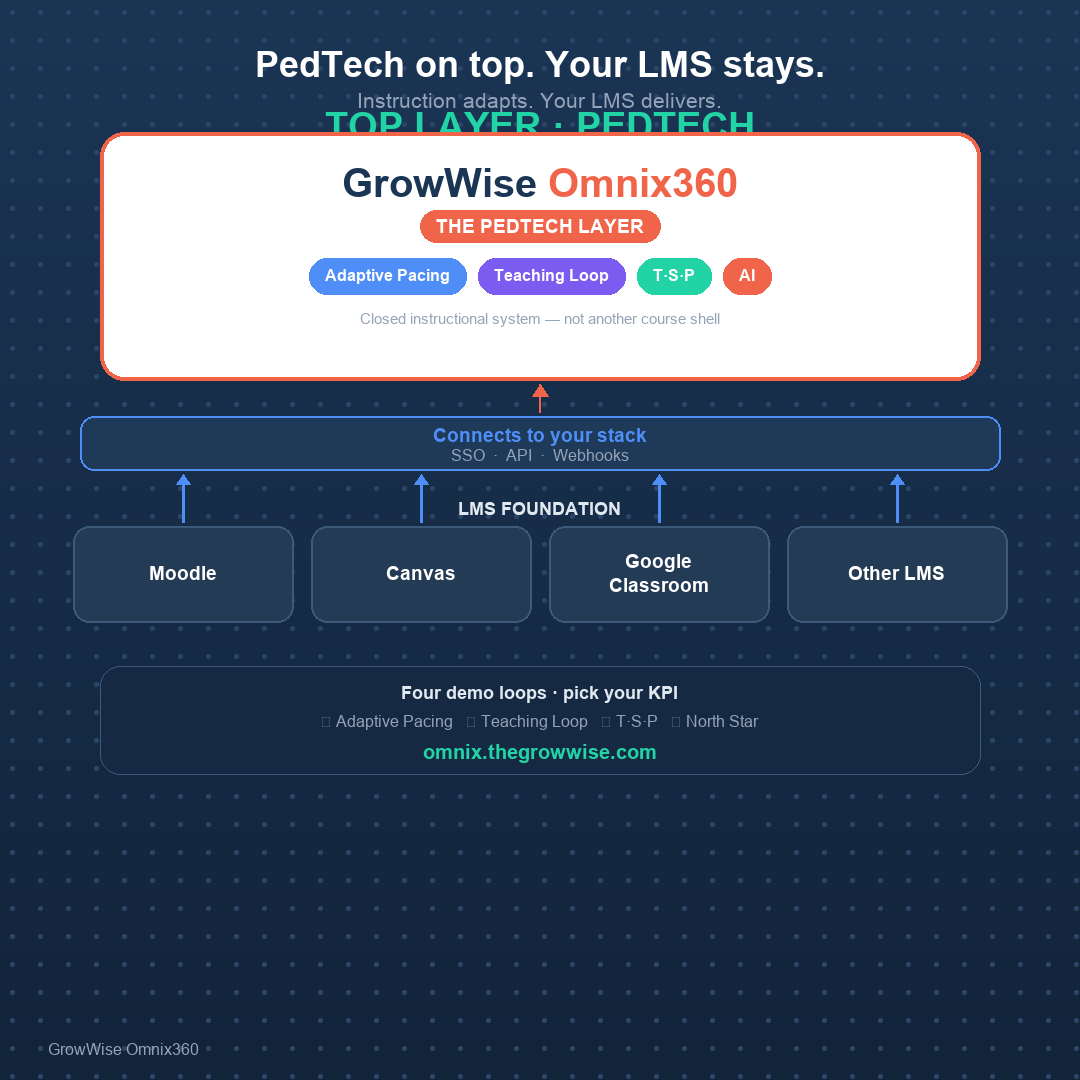
Illustrative only. Your workspace reflects your curriculum and roster.
Related reading
- How tutoring organizations can monitor curriculum pacing across instructors
- How to scale a tutoring business without losing instructional quality
- Tutoring management software vs LMS vs instructional intelligence
- Case study: pilot pacing signals
Book a live demo with a multi-site roll-up walkthrough.
Frequently asked questions
- How do multi-location tutoring centers track pacing?
- Use one master pacing calendar per program, roll up progress by site and tutor weekly, and flag cohorts more than one week off plan before managers explain differences to parents.
- What causes pacing differences between tutoring locations?
- Local manager interpretation, substitute coverage, different tutor experience levels, and uneven student intake dates without a shared calendar anchor.
- Should each tutoring location manage its own curriculum pace?
- Locations can adapt session timing within a week, but the sequence and mastery expectations should stay aligned unless you intentionally sell different products.
- What is the best weekly report for a tutoring franchise owner?
- A single dashboard showing percent of cohorts on plan by site, top three drift reasons, and students at mastery risk across the network.
Ready to prove pacing alignment in one program?
Start with the pilot playbook, then scope one program with our team, pricing comes after the scorecard.