Why Tutor Session Notes Are Not Enough to Measure Student Mastery
Session notes help continuity, but they do not prove learning. Tutoring centers need topic-level assessment evidence to know what students actually mastered.
GrowWise · Team · Last updated
"Great session. Student was engaged." Engaged is not a skill score.
Session notes are the memory of your tutoring operation. They help the next tutor pick up where the last one left off. They help directors answer parent emails when someone asks what happened Tuesday.
They are also one of the most overrated signals of learning.
Notes document activity, not outcomes
A typical note captures:
- Topics touched
- Homework assigned
- Behavior and engagement
- Tutor's impression of understanding
That is useful narrative. It is weak evidence. Understanding in a note is not calibrated across tutors. "Seemed to get it" from two different tutors rarely means the same thing.
The handoff problem multiplies at scale
With one tutor and five students, notes plus memory can work. With fifteen tutors and rotating substitutes, notes become archaeology. Directors try to infer mastery by reading paragraphs.
That does not scale, and it creates false confidence. A parent hears "progressing well" because that phrase appears often in notes, not because a skill checklist cleared.
What mastery measurement requires
Mastery measurement needs:
- A defined skill or topic target for the session
- An item or task that checks that target
- A consistent threshold for success
- A record that persists beyond the tutor's shift
Notes can link to those artifacts. They cannot replace them.
Read what topic-level mastery tells you that grades cannot for why averages fail the same way vague notes do.
Notes plus evidence is the workable model
Keep notes for context:
- Student mood, motivation, logistics
- Which textbook page you used
- Parent requests or school teacher feedback
Pair every session with one evidence line:
- Exit ticket score on today's objective
- Checklist tick for problem types
- Standard-linked item result
Directors then audit gaps in seconds, not by rereading essays.
How this changes coaching
Instead of "write longer notes," coach tutors to:
- State the session objective in one line
- Run a two-minute check before cleanup
- Flag reteach needs in topic tags, not adjectives
Quality rises because feedback is specific: "Missed multi-step setup on word problems" beats "needs more practice."
Parent conversations need more than notes
Parents want to know what their child can do now that they could not do last month. Notes rarely answer that unless your tutors write like assessors every time.
Progress reports should translate evidence into plain language. What parents actually need in a student progress report outlines that format.
When notes create legal or brand risk
Overly positive notes without evidence can hurt you in disputes: "You told me they were doing well." Data-backed summaries protect staff and set accurate expectations.
Closing the loop to the next lesson
Evidence should change tomorrow's plan, not sit in a comment field. How assessment evidence should guide the next lesson and how to turn assessment results into the next lesson plan cover that handoff.
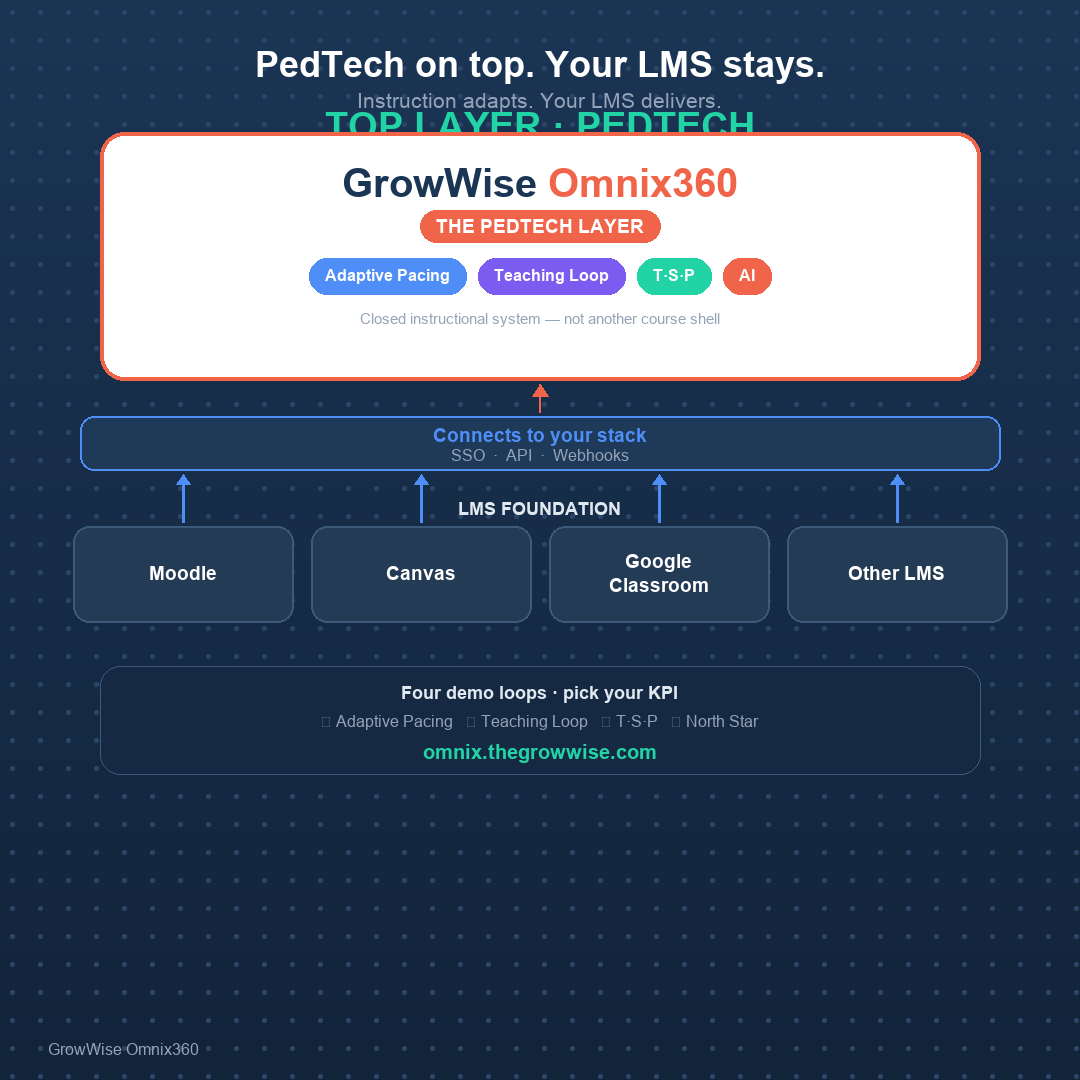
Illustrative only. Your workspace reflects your curriculum and roster.
Related reading
- What topic-level mastery tells you that grades cannot
- How assessment evidence should guide the next lesson
- What parents actually need in a student progress report
- How to maintain consistent teaching quality across multiple tutors
Book a live demo to see notes paired with mastery evidence in one tutor workflow.
Frequently asked questions
- Are tutor session notes required for quality tutoring?
- Notes help the next tutor understand context, but they are not a substitute for assessment evidence tied to specific topics or skills.
- Why do session notes fail as mastery data?
- Notes summarize what happened in a hour, often in subjective language, without a consistent bar for what counts as learned or ready to advance.
- What should tutoring centers track besides session notes?
- Track topic-level checks, pacing alignment, reteach flags, and parent-facing skill summaries backed by items, not only narrative comments.
- How detailed should tutor notes be?
- Detailed enough for handoffs, but pair every note with a tagged objective and a quick evidence check so directors can audit mastery, not just attendance.
Ready to prove pacing alignment in one program?
Start with the pilot playbook, then scope one program with our team, pricing comes after the scorecard.