How to Scale a Tutoring Business Without Losing Instructional Quality
Growth breaks tutoring quality when pacing and mastery live in tutors' heads. Here is how to add locations and hires without diluting the program.
GrowWise · Team · Last updated
The enrollment line worked. The program line did not.
Scaling a tutoring business feels like success until the third parent says the new location "feels different." You added rooms, ads, and tutors. You did not add a way to keep teaching consistent when you are not in every session.
Growth exposes whether you have a program or a collection of tutors
Before scale, a strong owner-director can hold quality in their head. After scale, that model fails because:
- Intake happens faster than onboarding
- Substitutes multiply
- Managers interpret curriculum locally
- Marketing promises outrun delivery reality
Quality loss is rarely one bad hire. It is missing infrastructure for the same decision every tutor makes dozens of times per week: what to teach next and whether the student is ready.
The four gates before you add capacity
Gate 1: Program map exists outside people's heads.
Curriculum, pacing, and mastery bars live in one versioned source, not scattered PDFs.
Gate 2: New tutor time-to-standard is measured.
Track weeks until a new hire's cohorts match pacing and evidence norms. If you cannot measure it, you cannot franchise it.
Gate 3: Weekly instructional review is under thirty minutes.
If audits still require reading every note, you are not ready for site three.
Gate 4: Parent progress story is data-backed.
Renewals at scale need skill summaries, not director memory.
Miss a gate, fix the gate before you scale. Otherwise you scale churn too.
Hiring for scale
Hire for coachability and evidence discipline, not only charisma. During interviews, ask candidates to walk through how they would reteach from a missed exit ticket, not only how they explain a favorite topic.
Training should mirror how to maintain consistent teaching quality across multiple tutors.
Multi-location without multi-story brands
Owners expanding geographically should read how to track curriculum pacing across tutors and locations before signing the next lease.
Network rollups turn "each manager says green" into "here are the six cohorts off plan this week."
Technology choices at scale
At one site, spreadsheets hurt efficiency. At five sites, spreadsheets hurt the brand.
Compare stack layers in tutoring management software vs LMS vs instructional intelligence so you buy instructional visibility before you need it, not after a bad semester.
Retention is the scoreboard
Scale shows up in retention before it shows up in Yelp stars. Model revenue at risk with the retention calculator and track weekly leading indicators from what a tutoring business should track every week.
Private schools scaling supplemental programs
Schools adding tutoring centers or enrichment franchises face the same gates with accreditation subtext. Division heads need cross-section evidence, not only teacher anecdotes.
See private school retention strategies for the family-facing side.
Scale the system, then the footprint
Founders who win long term make the program portable: pacing, evidence, director rhythm, parent story. Tutors rotate. Locations multiply. The standard stays visible.
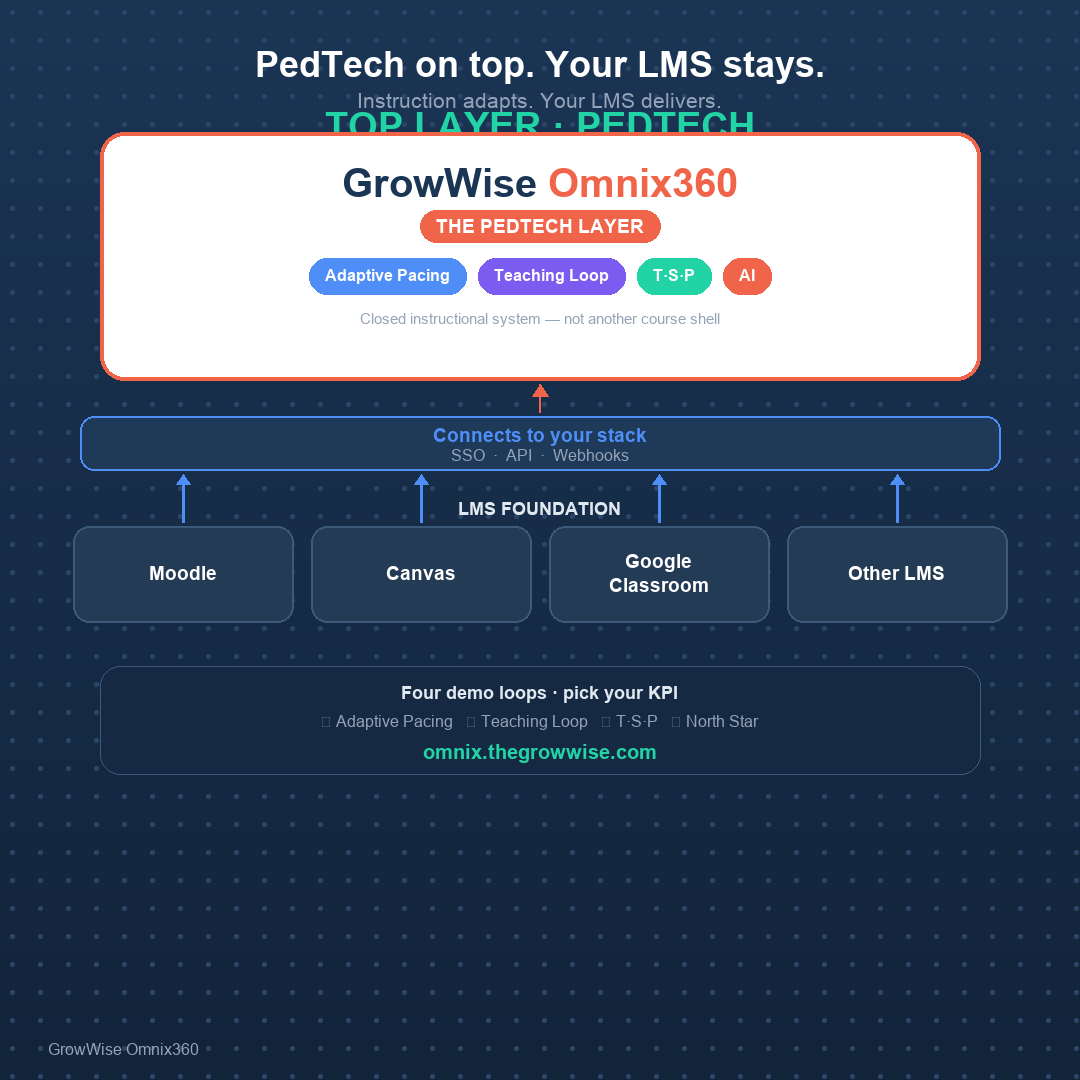
Illustrative only. Your workspace reflects your curriculum and roster.
Related reading
- Why teaching quality becomes inconsistent as tutoring organizations grow
- What a tutoring business should track every week
- How to track curriculum pacing across tutors and locations
- Tutoring business growth and churn
Book a live demo with your expansion plan and program list.
Frequently asked questions
- How do tutoring centers scale without quality dropping?
- Document programs as pacing plus mastery standards, hire against those standards, review weekly instructional metrics, and give directors cross-tutor visibility before adding locations.
- When should a tutoring business open a second location?
- Open when your first site has repeatable onboarding, weekly pacing reviews under thirty minutes, and evidence that new tutors match program standards within a month, not only when demand exceeds rooms.
- What should tutoring franchises standardize?
- Standardize program maps, pacing calendars, assessment bars, and progress reporting. Leave local flexibility for staffing and community marketing, not for silent curriculum drift.
- Does hiring more academic directors fix scaling problems?
- Directors help, but without shared systems they become professional note readers. Systems scale; hero directors do not.
See attrition risk before families decide to leave
Scope a pilot focused on topic-level progress visibility for heads and teachers, before re-enrollment conversations.