What a Tutoring Business Should Track Every Week
Weekly tutoring KPIs should cover pacing alignment, mastery gaps, and retention risk, not just enrollment. Here is a thirty-minute director scorecard.
GrowWise · Team · Last updated
Revenue dashboards update daily. Quality dashboards update never. That is how tutoring centers get surprised in renewal season.
Owners naturally watch cash and enrollment. Those numbers lag instructional problems by weeks or months. A parent decides not to renew long before the withdrawal form shows up in your CRM.
Weekly tracking connects what happens in sessions to what happens in your bank account.
The thirty-minute director meeting
Block the same slot every week. Review six rows. If a row has no data source, that is your tooling gap for the month.
1. Pacing alignment
Question: Which cohorts are more than one week off plan?
Why it matters: Drift is the earliest signal that parents will hear different stories at carpool.
Action: Coach tutors, adjust substitutes, or fix curriculum sequencing.
Deep dive: how tutoring organizations can monitor curriculum pacing across instructors.
2. Evidence gaps
Question: Which planned topics were marked complete without assessment evidence?
Why it matters: Advancement without checks creates "sudden struggle" later.
Action: Hold calendar position, assign exit tickets, audit one tutor if pattern repeats.
3. Mastery risk list
Question: Which students missed the same skill tag two or more times?
Why it matters: These students are at highest risk of confidence loss and non-renewal.
Action: Reteach plan, parent update, possible program change.
See what topic-level mastery tells you that grades cannot.
4. Tutor utilization and coverage
Question: Who is overbooked, who has gaps, and where are substitutes creating drift?
Why it matters: Quality breaks when coverage is reactive.
Action: Rebalance schedules, tighten handoff notes paired with evidence.
5. Enrollment pipeline (one week forward)
Question: Inquiries, assessments scheduled, conversions, and waitlist pressure by program.
Why it matters: Utilization drives hiring; hiring without pacing systems amplifies drift.
6. Renewal risk (four weeks forward)
Question: Which families renew soon with thin progress visibility?
Why it matters: Proactive progress summaries prevent "we are not sure it is working" conversations.
Use what parents actually need in a student progress report before those calls.
What not to worship weekly
- Raw login counts on software nobody uses correctly
- Homework completion without skill checks
- Average grades without topic detail
- Social media impressions
These can supplement. They should not replace instructional rows.
Connect weekly metrics to retention math
If you have not modeled revenue at risk from attrition, run your numbers through the retention calculator. Pair that with tutoring business growth and churn for context on why small weekly drift compounds.
Private school after-school programs
School leaders running tutoring-style programs should track the same instructional rows per section, plus facilitator coverage and parent communication for fee-based enrollments.
One page, one owner, one habit
Put all six rows on a single page. Assign each action item with a name and due date before the meeting ends. The habit matters more than the perfect dashboard on day one.
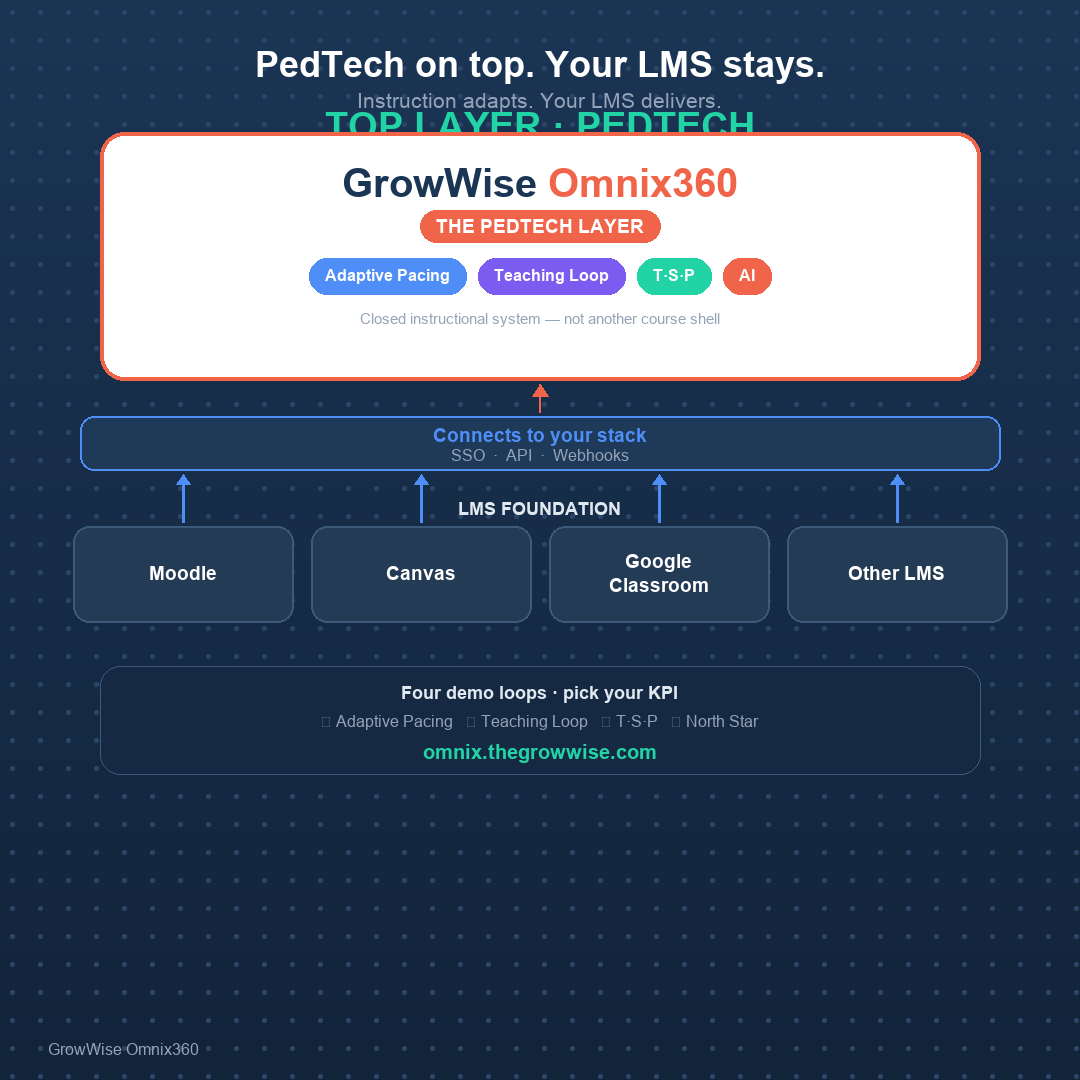
Illustrative only. Your workspace reflects your curriculum and roster.
Related reading
- Why teaching quality becomes inconsistent as tutoring organizations grow
- How to scale a tutoring business without losing instructional quality
- Tutoring business growth and churn
- Private school retention strategies
Book a live demo to map these rows to your programs.
Frequently asked questions
- What KPIs should a tutoring center track weekly?
- Track cohorts off pacing plan, topics lacking assessment evidence, students flagged for mastery risk, tutor utilization, new enrollments, and upcoming renewals with weak progress stories.
- How is weekly tutoring tracking different from monthly financial reviews?
- Weekly instructional metrics catch drift while you can still coach tutors and update parents. Monthly revenue alone usually shows problems after families have already decided to leave.
- What is a healthy weekly churn signal for tutoring?
- Watch leading indicators like missed sessions, parent complaints about unclear progress, and students stuck on the same skill tag for three or more sessions, not only completed withdrawals.
- Who should own the weekly tutoring metrics review?
- The academic director owns instructional rows. The owner or GM joins for enrollment, utilization, and renewal risk tied to progress visibility.
See attrition risk before families decide to leave
Scope a pilot focused on topic-level progress visibility for heads and teachers, before re-enrollment conversations.